 |
 |
 |
 |
 |
 |
 |
 |
 |
|||
 |
 |
|
|||||||
 |
|||||||
 |
|||||||
 |
|||||||
 |
|||||||
|
|||||||





|
||||||
 |
||||||
 |
||||||
 |
||||||
|






 |
 |
 |
 |
 |
 |
 |
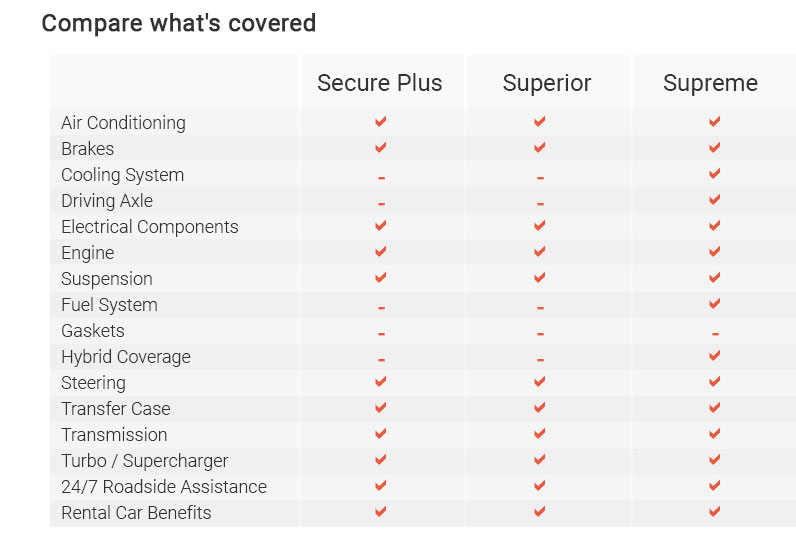
ford esp extended warranty explained for smarter ownership decisionsYou want fewer surprises and a smooth service experience, but you also care about cost. The ford esp extended warranty - now often branded as Ford Protect - sits between peace of mind and self-insuring. Your priority and driving pattern tip the scale. What it really coversHigher-tier plans can include thousands of components: electronics, turbos, climate, and advanced driver aids. Wear items, trim, and routine maintenance are out. Roadside assistance and rental benefits often bundle in, reducing downtime when things go sideways.
Tradeoffs and cost mechanicsPrice varies by mileage, model, term, and deductible. A higher deductible lowers the premium; a per-visit deductible can soften multi-repair days. Buying before 3/36 expires usually preserves options and keeps pricing friendlier. If you drive fewer miles or plan to sell soon, self-insuring may pencil out.
Real moment: On a rainy Tuesday, your Escape threw a wrench light; the dealer found a throttle body issue. ESP handled parts and labor, you paid a $100 deductible, picked up a rental, and made your meeting. Compare and chooseRequest quotes from multiple Ford dealers (including online). Read the contract: start date, max term, cancellation rules. Mods and neglected maintenance can risk denial.
If your priority is a consistent, dealer-backed experience, ESP leans compelling; if not, a maintenance fund might suffice - for now. https://fordprotect.ford.com/premiumcare
With over 40 million service plans sold, you'll get the peace of mind that comes from purchasing a genuine Ford Protect Extended Service Plan 100% backed by ... https://www.grangerfordextendedwarranty.com/
Buy Ford Extended Warranty at wholesale pricing. Pay just over dealer cost and receive genuine Ford Parts and service Coverage. https://www.reddit.com/r/Ford/comments/18xa7zr/any_experiences_with_ford_extended_warranties_and/
ESP is exclusive, meaning they tell you what isn't covered which generally leads to more things being covered. Unless the dealer you're getting ...
|
